Yes, you should plan for a private home inspection even on a brand-new custom home from an established builder. Your township and county building officials inspect for code compliance, not craftsmanship, and no construction crew is perfect. A private inspector works for you alone and reviews the home at the moments that matter most: the foundation, the framing before the drywall goes up, the mechanicals, and the final walkthrough. Here is what new construction inspections in Michigan actually cover, what they cost, and how they fit into a custom build at Oaks of Tyrone by Big Sky Development.

Why new construction still deserves a second set of eyes
It is easy to assume a brand-new home is flawless. After all, everything is fresh: no wear, no deferred maintenance, nothing hidden behind 30 years of previous owners. But new construction has its own failure points. Research on new builds consistently finds defects like improperly flashed windows, missing or compressed insulation, unbalanced HVAC, and finish work that does not match the plan or the price. None of it is malicious. It is the reality of hundreds of trades working on a deadline.
The stakes are actually higher on a custom build than on a production home. When you build custom at a community like Oaks of Tyrone, you have made dozens of choices: floor plan, elevation, fixtures, finishes, allowances, and change orders. A private inspector verifies that the home being framed and finished is the home you approved, not just that it meets the minimum building code. That is worth remembering before your first walkthrough, and it pairs naturally with our guide to the biggest mistakes custom home buyers make.
What your township's building inspector checks (and what they don't)
Every new home in Michigan passes through the local building department in stages. For a home in Tyrone Township, Livingston County, that means inspections for site preparation and erosion control, footings and foundations, framing before the drywall is hung, rough plumbing, electrical and mechanical work, and a final inspection before the certificate of occupancy is issued. Some municipalities are still more granular, with separate visits for insulation, ventilation, and other systems.
Here is the key distinction: those municipal inspections verify that the home meets the state and local building code. They are answers to safety questions, like whether the structure is sound and the wiring is safe. They are not quality inspections. No building official checks whether your cabinet finish matches your selection sheet, whether the trim joints were caulked properly, or whether the window you paid an allowance for is the brand on the invoice. Those checks are what a private inspector, working on your behalf, is hired to do.
The four inspections that matter most on a custom build
A private inspector can be hired for one visit or for a full program of visits. For a custom build, the four stages below are the ones that give you the most protection for your money:
- Foundation and footings. Before the concrete is poured, you want someone checking forms, reinforcing steel, waterproofing details, and drainage around the slab or basement walls. Fixing a foundation issue after the pour is expensive. Fixing it before costs a phone call.
- Framing and rough-ins, the pre-drywall inspection. This is the single most valuable visit. All the framing, plumbing, wiring, and HVAC ducts are exposed, which means every issue is visible and cheap to fix. Once the drywall is up, most of this is invisible for decades.
- Insulation and air sealing. Right before the drywall goes on, an inspector can verify insulation coverage, vapor barriers, and air-sealing details that drive your energy bills and comfort for the life of the home.
- Final walkthrough before closing. A pre-closing inspection reviews finish work, appliances, fixtures, grading, and the punch list. Do this before you sign, not after, so the builder commits in writing to correcting what is found.
Many homeowners add a fifth visit at the end of the first year, when seasonal movement and settling often surface. Michigan law requires builders to warrant new homes against structural defects for the first year after closing, so an 11-month or 12-month inspection is a smart way to collect anything the builder owes you before that window closes. For context on how that compares with Big Sky's coverage, our post on the 10-year structural warranty breaks down what stays protected long after year one.
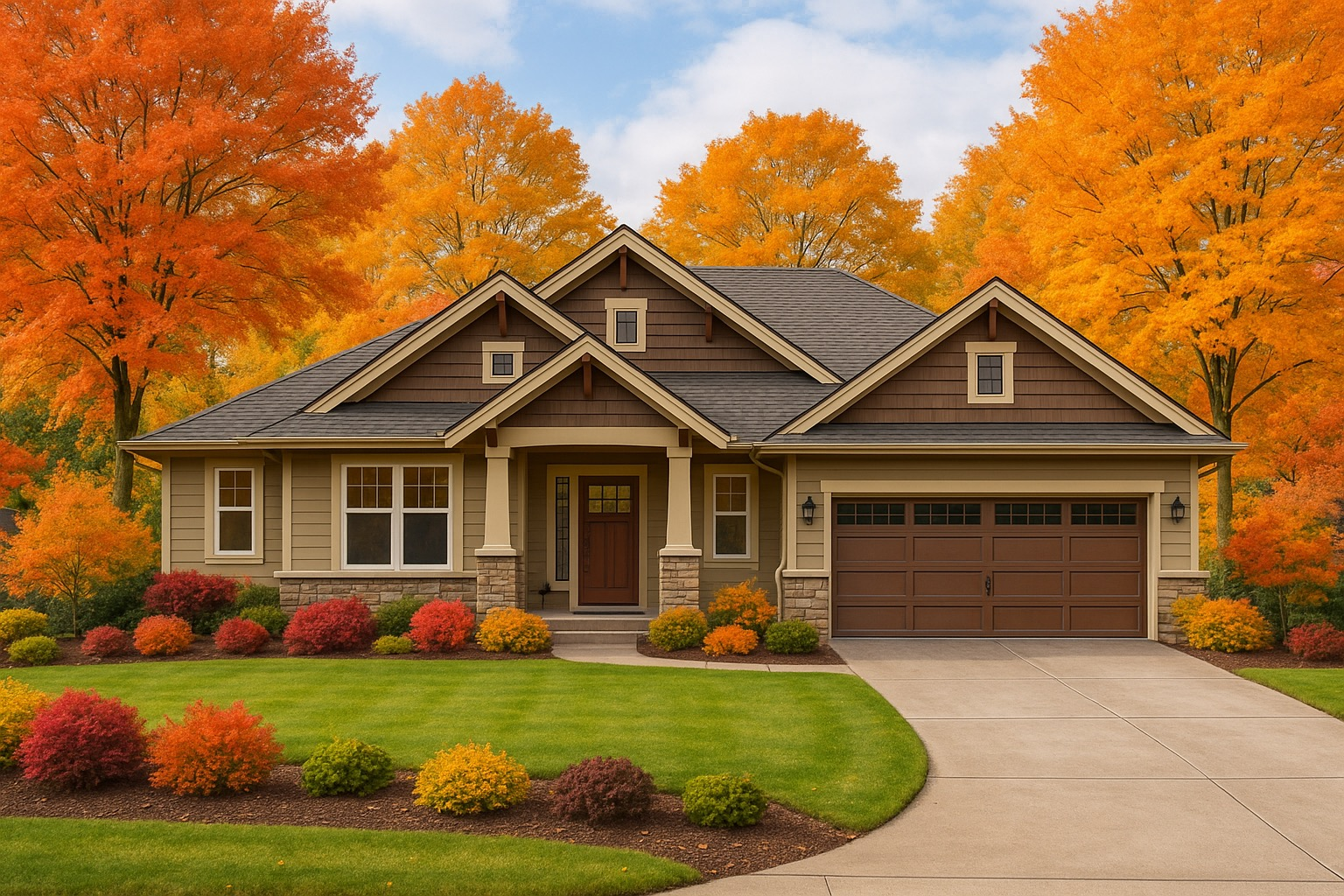
What a private inspector looks for at the pre-drywall stage
The pre-drywall visit is where an experienced inspector earns their fee. Here is a sample of what they check while everything is still visible:
- Framing: bearing points, notching and drilling of studs and joists, hangers and ties, and wall bracing that matches the engineered plans.
- Plumbing: rough-in locations, venting, and separation of water lines from electrical runs.
- Electrical: wire gauges, box fill, receptacle placement, and GFCI protection where code requires it.
- HVAC: duct sizing, returns in the right rooms, and sealing at the furnace and trunk lines.
- Insulation and air sealing: full coverage without gaps, vapor barrier orientation, and sealing around penetrations.
- Weather protection: window panning, house wrap laps, and flashing details around doors and roof penetrations.
Most of these items will be fine, especially on a home built by an experienced custom builder in Southeast Michigan. The point is having a professional confirm it before the walls close up. If you want to understand the broader quality picture before you even sign, our buyer's guides on what to look for in a new construction builder and custom vs. production builders are built for exactly that decision.
How much do new construction inspections cost in Michigan?
Inspection pricing varies by inspector, home size, and how many stages you book, but the ranges are well within reach for a buyer building a custom luxury home. A standard home inspection in Michigan typically runs roughly $375 to $600, with Southeast Michigan inspectors commonly starting around $405. A dedicated pre-drywall or framing inspection averages about $300 nationally and most single-family jobs land between $300 and $500. A final pre-closing inspection on a new build typically runs about $300 to $600 for a standard home under 2,000 square feet.
Bundling phases is where the value concentrates. Hiring the same inspector for a foundation visit, the pre-drywall visit, and the final walkthrough usually runs $1,200 or more in total, but you are paying for coverage at the three moments when problems are actually fixable. Set against a home package that starts in the low $600s at Oaks of Tyrone, it is a fraction of a percent of the purchase price, spent on the single largest asset you will own.
How inspections work with a custom builder like Big Sky Development
A healthy custom builder welcomes a buyer's inspector. Big Sky Development has built custom homes throughout Southeast Michigan since 1994, and its process is built around direct, hands-on oversight: the owner personally visits active jobsites to check quality on every home under construction, and buyers work with the in-house design team through every selection. When you build at Oaks of Tyrone, you also get the community's package structure, fixed pricing, and the in-house 10-year structural warranty, nine times Michigan's one-year minimum.
The practical steps are simple. Tell your builder early that you plan to bring an independent inspector, and coordinate the visit with the construction schedule so it lands in the right window, before the concrete pour, before the drywall, and before closing. Walk the site yourself at the same milestones; Rob Moen and the Big Sky team will tell you exactly when your home will be at each stage so you do not miss the moments that matter. It is your house, and looking at it with your own eyes never hurts. Our guide to the custom home building timeline shows you, month by month, when each of these milestones arrives.
One more distinction worth keeping straight: inspections and insurance cover different risks. Builder's risk insurance protects the structure during construction, which is why we recommend it separately. Contractors routinely carry their own coverage too, but the policy on a new build is not something you should assume is automatic. Our post on builder's risk insurance in Michigan covers what to verify before ground is broken.

Frequently asked questions
Do I really need a private inspection on a brand-new custom home?
Yes, it is strongly recommended. Municipal inspections confirm the home meets building code, but they do not check finish quality, allowance accuracy, or workmanship details. A private inspector works for you and catches issues while they are still cheap to fix.
When should I schedule inspections on a custom build?
The three most important windows are before the foundation pour, at the pre-drywall stage while framing and rough-ins are exposed, and at the final walkthrough before closing. Many buyers add an 11- to 12-month inspection before Michigan's one-year structural warranty expires.
Will the builder be annoyed if I hire an inspector?
A reputable custom builder expects it. Big Sky Development encourages buyers to walk their homes at key milestones, and coordinating an inspector's visit with the schedule is a normal part of the process. If a builder resists inspections, that is a red flag worth taking seriously.
How much do new construction inspections cost in Michigan?
A standard inspection in Michigan runs roughly $375 to $600, a pre-drywall inspection averages about $300 with most single-family homes landing between $300 and $500, and a final inspection typically runs $300 to $600. A full multi-phase program usually totals $1,200 or more and covers the moments when fixes are still easy.
What is the difference between a municipal inspection and a private inspection?
Municipal building officials inspect for code compliance: structural safety, fire safety, and basic electrical and plumbing standards. A private inspector checks quality, workmanship, finishes, and whether the home matches what you approved and paid for. New construction needs both.
Does Big Sky's 10-year structural warranty make inspections unnecessary?
No. The warranty protects against structural defects that surface after move-in, which is excellent coverage that goes far beyond Michigan's one-year requirement. Inspections protect you before you close, catching workmanship and finish issues while they are faster and cheaper to correct.
Walk your build with confidence from day one
The best way to understand the inspection windows on a custom home is to see the process in person. Schedule a tour with Rob Moen at Oaks of Tyrone, walk the wooded one-acre homesites, and ask the Big Sky Development team exactly when each milestone happens on your build. Rob can be reached at 810-691-0019, and he will walk you through the process, including every walkthrough, so nothing catches you by surprise.